
Stroke & Brain Health
What is a stroke? Watch, It could save the life of a loved one
Amarish Dave, DO explains what happens inside the brain during a stroke, the warning signs to act on, and why calling 911 immediately can save a life.
Watch VideoStroke & Brain Health
Aphasia is a language disorder caused by brain damage — and sudden language difficulty can be a stroke warning sign.
Written and medically reviewed by Amarish Dave, DO, board-certified neurologist. This page is educational and does not replace an individual medical evaluation.
Aphasia is a language disorder caused by damage to areas of the brain responsible for language. It can affect speaking, understanding spoken language, reading, and writing. Aphasia is not a problem with intelligence — many people with aphasia know exactly what they want to say but cannot get the words out.
Symptoms vary depending on which language networks are affected, and may include:
Because language depends on networks concentrated on one side of the brain (the dominant hemisphere, usually the left), injury to those networks — from stroke or other causes — can disrupt language even when movement and strength are normal.
Stroke is a common cause of aphasia, particularly when language areas of the dominant hemisphere are affected. A TIA (transient ischemic attack) can cause the same language symptoms temporarily.
Other causes can include traumatic brain injury, brain tumors, infections of the brain, and neurodegenerative disorders. Some forms of dementia — such as primary progressive aphasia, a form of frontotemporal degeneration — begin with gradually worsening language problems rather than memory loss.
No. Occasional word-finding difficulty — a name or word sitting on the tip of your tongue — can happen to anyone, especially with fatigue, stress, distraction, or normal aging. By itself, it does not mean someone has aphasia.
Aphasia represents a more significant disturbance of language function: persistent difficulty producing words, using incorrect words, incomplete sentences, or trouble understanding others. New, persistent, or progressive language problems deserve a neurological evaluation to determine the cause.
Continue with medically reviewed videos about stroke, brain health, and neurological symptoms.
Stroke & Brain Health
Amarish Dave, DO explains what happens inside the brain during a stroke, the warning signs to act on, and why calling 911 immediately can save a life.
Watch Video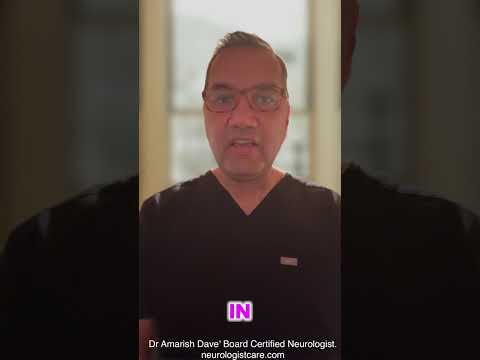
Stroke & Brain Health
Amarish Dave, DO explains what happens during a stroke, why symptoms come on suddenly, and why every minute of emergency treatment matters.
Watch Video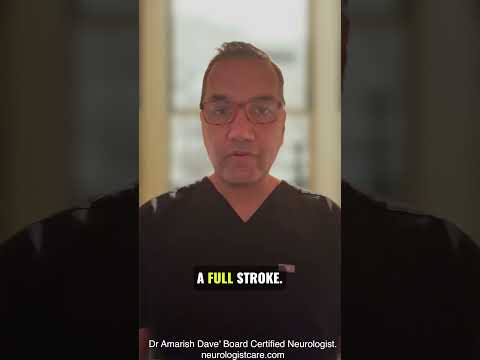
Stroke & Brain Health
Amarish Dave, DO explains why a transient ischemic attack can cause stroke-like symptoms that improve quickly but still require emergency evaluation.
Watch Video
Stroke & Brain Health
Amarish Dave, DO, Board-Certified Neurologist, explains what a brain aneurysm is, why one forms, which risk factors matter, and when it becomes an emergency.
Watch VideoSubscribe to the NeurologistCare YouTube channel for more short videos about brain, spine, and nerve health.
In-person neurological evaluations are available in Crystal Lake and Woodstock, Illinois, and Lake Geneva, Wisconsin, with telehealth available when appropriate for patients physically located anywhere in Illinois or Wisconsin at appointment time.
Choose the scheduling line for the state where you will be located for your appointment.
Available at three office locations:
Crystal Lake, Illinois
Woodstock, Illinois
Lake Geneva, Wisconsin
Telehealth neurology appointments are available to patients located anywhere in Illinois or Wisconsin. You do not need to live near an office, but you must be physically located in Illinois or Wisconsin at the time of the appointment.
Learn about telehealth neurology →Illinois appointments: 815-337-7100. Wisconsin appointments: 262-245-0535.
Our office will confirm whether an in-person or telehealth visit is appropriate and provide the details.
Insurance participation and referral requirements vary by plan. Our office will confirm what your plan requires before your visit.
If you believe you are experiencing a medical emergency, call 911 or seek emergency medical attention.